


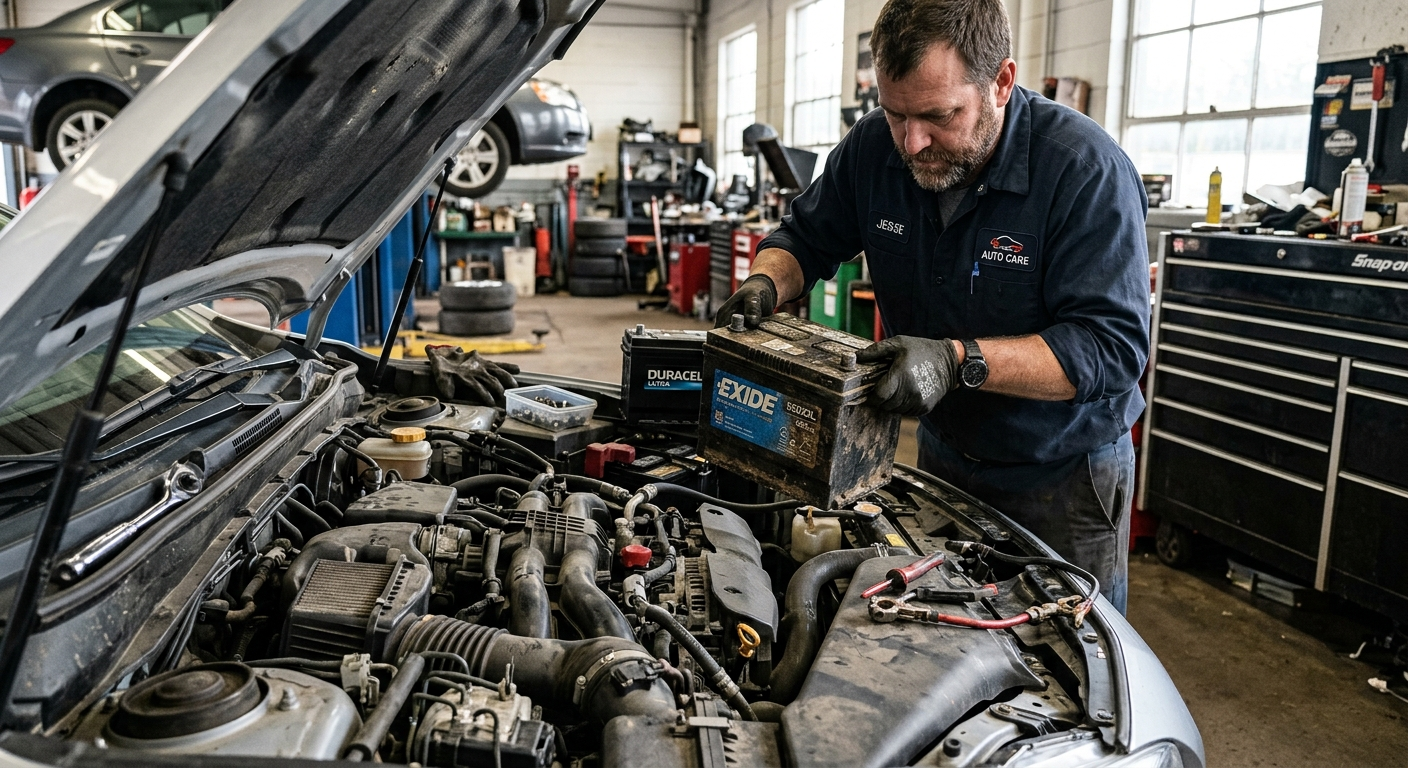
In an electrified global economy, reliable electrical energy storage has become indispensable. From automotive transport and telecom networks to renewable solar/wind installations and uninterrupted power systems, industries depend upon long-lasting, heavy-duty batteries. Among the factors determining lead-acid battery durability, grid metallurgy plays the paramount role.
The Grid: The Structural & Electrical Backbone
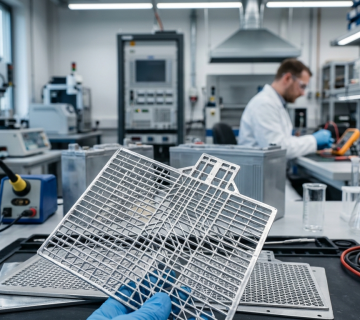
In a lead-acid battery, positive and negative grids serve two vital functions: mechanically supporting the active paste material and conducting electrical current during charge and discharge. Under continuous exposure to sulfuric acid and high electric potentials, unrefined lead grids suffer anodic corrosion, grid growth, and structural collapse.
How Advanced Alloys Extend Operational Life
Modern Calcium-Aluminum and micro-alloyed formulations prevent common degradation mechanisms:
Enhanced Corrosion Resistance
Precision alloying refines grain boundaries, preventing intergranular corrosion and structural embrittlement under elevated temperatures.
Mitigation of Water Electrolysis
High hydrogen overpotential prevents electrolyte water loss, keeping the battery sealed and eliminating maintenance downtime.
Dynamic Mechanical Stability
Reinforced crystalline lattices resist vibration, thermal expansion, and mechanical shock in demanding automotive and industrial environments.
Optimized Electrochemical Charge Acceptance
Uniform grid conductivity ensures even current density distribution across the entire plate surface, facilitating rapid recharge and stabilizing high-rate discharge capacity.
Conclusion
Advanced metallurgical alloys represent the definitive solution for maximizing battery lifespan, lowering operational maintenance costs, and meeting modern environmental benchmarks. IPCOZ remains dedicated to researching and engineering premier master alloys and additives that empower battery manufacturers worldwide.

No Comments